Blog ·
Kitchen Workflow: Designing Spaces That Support Your Cooking
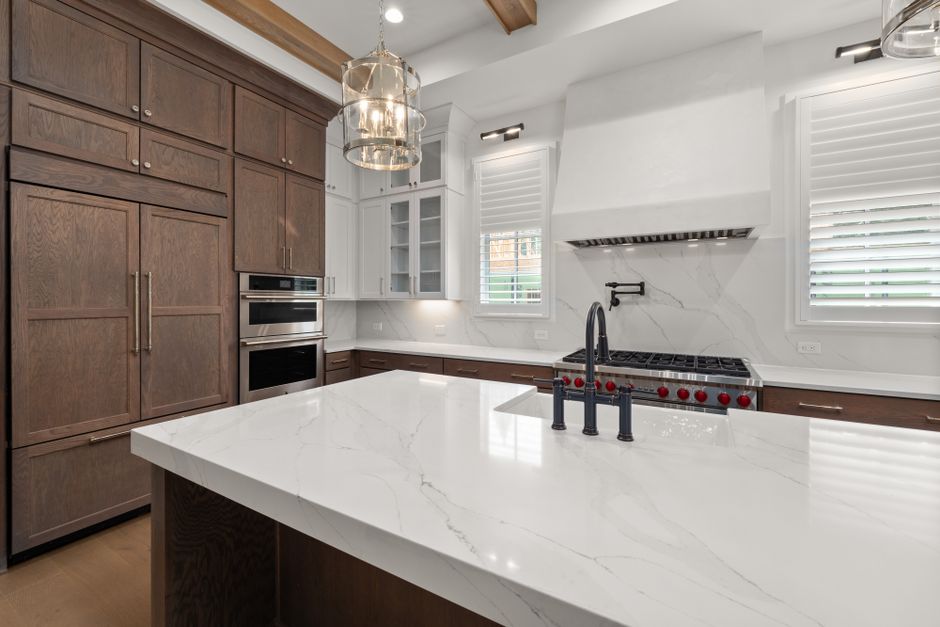
Kitchen Workflow: Designing Spaces That Support Your Cooking
The best kitchens aren't just beautiful—they make cooking easier. A well-designed kitchen anticipates your needs and puts everything you need within reach when you need it. Understanding workflow is essential to creating a kitchen that truly works.
Understanding Your Cooking Patterns
Watch yourself cook for a week. Notice where you stand most, what you reach for repeatedly, and where you find yourself backtracking. These patterns reveal what your ideal kitchen layout should address. Do you spend time at the counter prepping vegetables? Are you moving between the stove and sink constantly? Your kitchen should be designed around these movements.
Zones and Stations
Organize your kitchen into dedicated zones:
- Prep Station: Good lighting, counter space, and access to knives and cutting boards
- Cooking Zone: Convenient storage for pots, pans, and cooking utensils near your stove
- Cleanup Station: Thoughtful placement of your sink, dish storage, and cleaning supplies
- Serving and Storage: Easy access to dishes, glassware, and frequently used ingredients
Counter Space Strategy
It's not just about having counter space—it's about having useful counter space. Landing areas near appliances prevent clutter and accidents. Open counter near your prep zone supports food preparation. Clear counter near your stove gives you room to plate dishes. Quality counter placement is just as important as quantity.
Appliance Positioning
Your appliances should support your cooking style. If you frequently use your oven while working at the counter, positioning matters. If you rely heavily on your stove, ensure adequate counter space on both sides. Consider how you load and unload your dishwasher—does the placement feel natural or awkward?
Storage Within Reach
Everything you use regularly should be accessible without climbing, bending excessively, or moving other items. Everyday dishes shouldn't live in high cabinets. Cooking oils and seasonings should be near your stove, not in a cabinet across the room. Thoughtful storage placement reduces preparation time and cooking frustration.
Customization Matters
A kitchen designed for your specific cooking habits outperforms a generic kitchen every time. Your height, your food preferences, your entertaining style, and your family size all influence what a well-designed kitchen should include. When design is tailored to you, cooking becomes more enjoyable and efficient.